Top Science Headlines

Why do men and women walk differently?
Men and women may walk differently partly because their pelvises faced different evolutionary pressures, a Tel Aviv University-led study found. The modern male pelvis shifted hip joint forward, letting thigh muscles act like springs that absorb and return energy with each step. Female pelvises stayed closer to the ancestral form, likely because childbirth demands a wider, shallower birth canal.
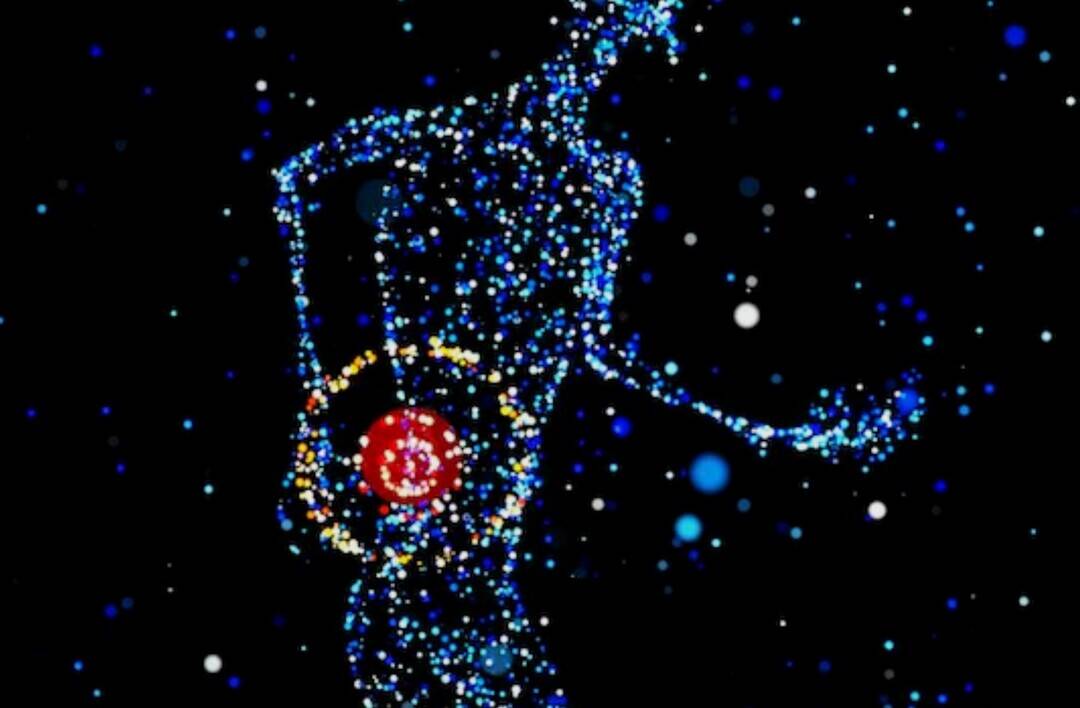
Alibaba open-sources AI model that detects 150 abdominal conditions, including cancer
Alibaba's research division publicly released AI-powered Damo Radar capable of evaluating contrast-enhanced CT scans to identify various diseases and abnormalities. The vision-language model is capable of identifying nearly 150 abdominal conditions, including cancers. Across a test suite of nearly 40,000 real-world CT examinations, it recorded a near-perfect accuracy in identifying conditions.

Chronic stress linked to higher heart attack risk: Study
Chronic stress from everyday life may cause lasting structural changes to the heart, harming health, according to a study. It found that chronic inflammation linked to socioeconomic conditions and lifestyle is associated with damaging heart changes and a higher risk of heart attacks and stroke. Researchers said these changes may develop years before cardiovascular symptoms appear.
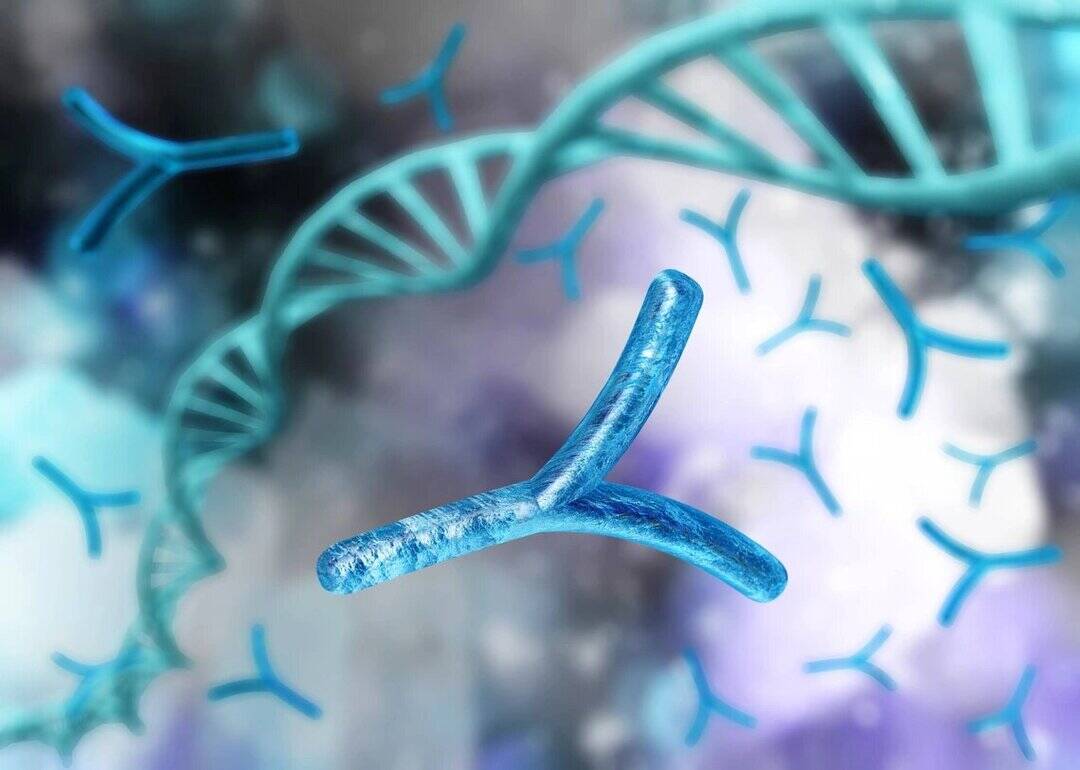
Loss of Y chromosome in men could be early warning sign of cancer: Study
Loss of Y chromosome in men's body tissue could be early warning sign of cancer, a University of Arizona-led study found. Researchers said this age-related chromosome loss creates pre-neoplastic field effect, leaving normal tissue genetically vulnerable to cancer. Y-chromosome loss in normal-looking tissue was highest around cancers of colon, rectum, oesophagus, pancreas & lung, researchers found.
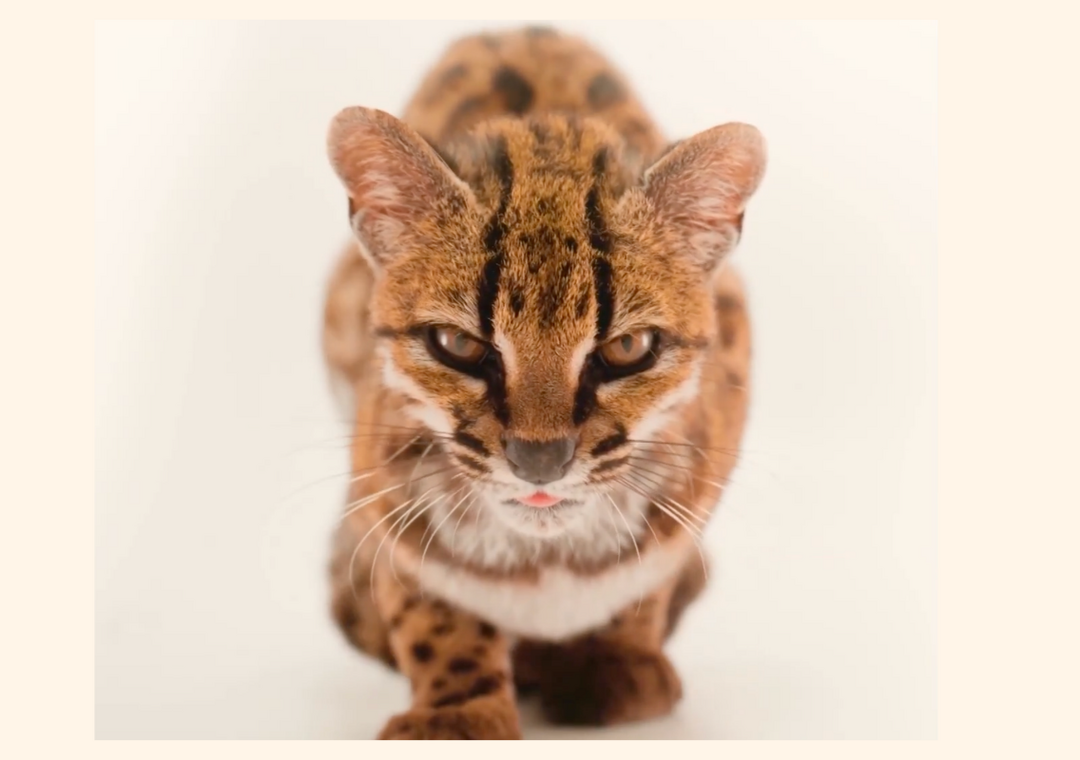
In Pics: Tilcayo, cat species discovered for 1st time in 100 yrs
Visuals shared by Reuters showed Tilcayo, a new cat species discovered for the first time in more than 100 years. It was found in Bolivia's Yungas region after a local man spotted the animal near a forest road and initially mistook it for a domestic cat. The cat is smaller than an average domestic cat and weighs around 3 pounds.

Urban pollution overpowers river ecology, shows a new study
A two-year study on diatoms in the Mula-Mutha River Basin reveals that chronic urban sewage overrides the natural flushing effect of monsoon floods. While pristine headwaters host rare endemic species, downstream city pollution wipes them out, replacing them with generic, pollution-tolerant algae despite heavy seasonal rains.

Newly discovered snake species named after Guns N' Roses guitarist Slash
A newly discovered snake species from New Guinea has been named after Guns N' Roses guitarist Slash, who has loved reptiles since childhood. Researchers have named the species Lielaphis slashi, or Slash's groundsnake. "It is really exciting. I never would have imagined this moment would arrive," Slash said. Slash's groundsnake does not produce venom that can seriously harm humans.

Unprecedented "Super" El Niño threatens India’s ecosystems
Over 180 Indian ecologists issued an urgent appeal warning of an unprecedented Super El Nino in 2026-27. Reconstructed coral core data show that warming of this scale hasn't occurred in 1,000 years. Scientists are demanding coordinated, real-time habitat monitoring across marine, freshwater, and land ecosystems before the worst impacts hit.

China building 'mother-of-all' spy networks in space
China has deployed its new Shijian-31 satellite in a Soviet era-style orbit that allows it to spy on every other satellite in the world, experts said, calling it a "never-before-seen" orbit. Indian experts said the orbit proves China is building "mother-of-all" spy networks in space. The orbit's closest and farthest points from Earth are 1,993 km and 39,896 km away.
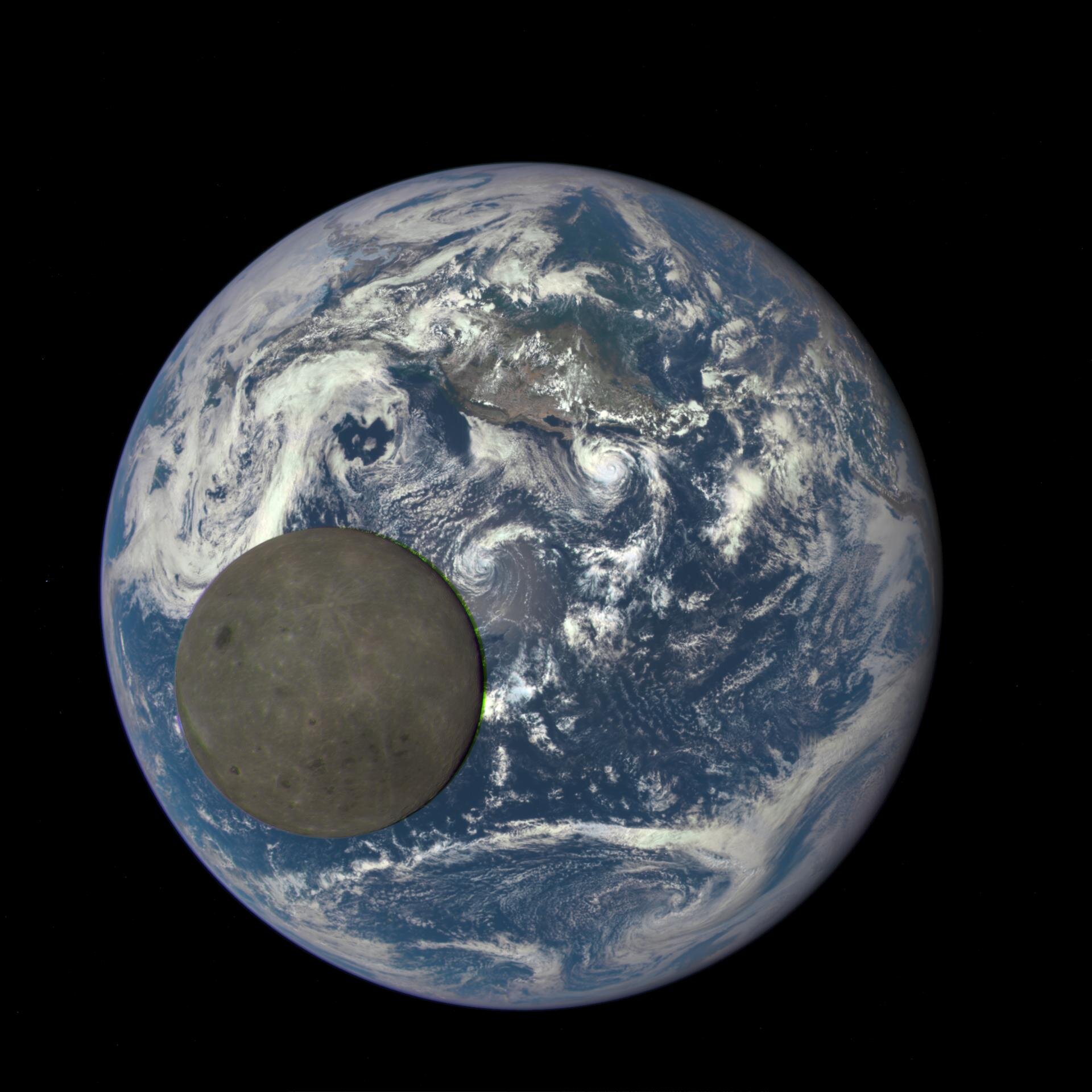
NASA shares Earth-Moon images captured in same frame since 1977
NASA on X shared a series of images showing Earth and the Moon together in same frame. Voyager 1 captured the first such view in 1977, just two weeks after its launch, when it was about 7.25 million miles from Earth. NASA also shared similar images captured by DSCOVR in 2015, Artemis I in 2022 and Artemis II in 2026.