Top Science Headlines

A single smartphone notification hijacks brain's cognitive processing for 7 seconds, finds study
Even a single smartphone notification can hijack a person's brain's cognitive processing for seven seconds, according to a new study. It also found magnitude of notification-induced disruption was higher when users believed notifications were personally relevant to their goals or carried emotional weight. The study also found frequency of notifications impacts focus more than total screen time.
Jupiter and Saturn gain more moons
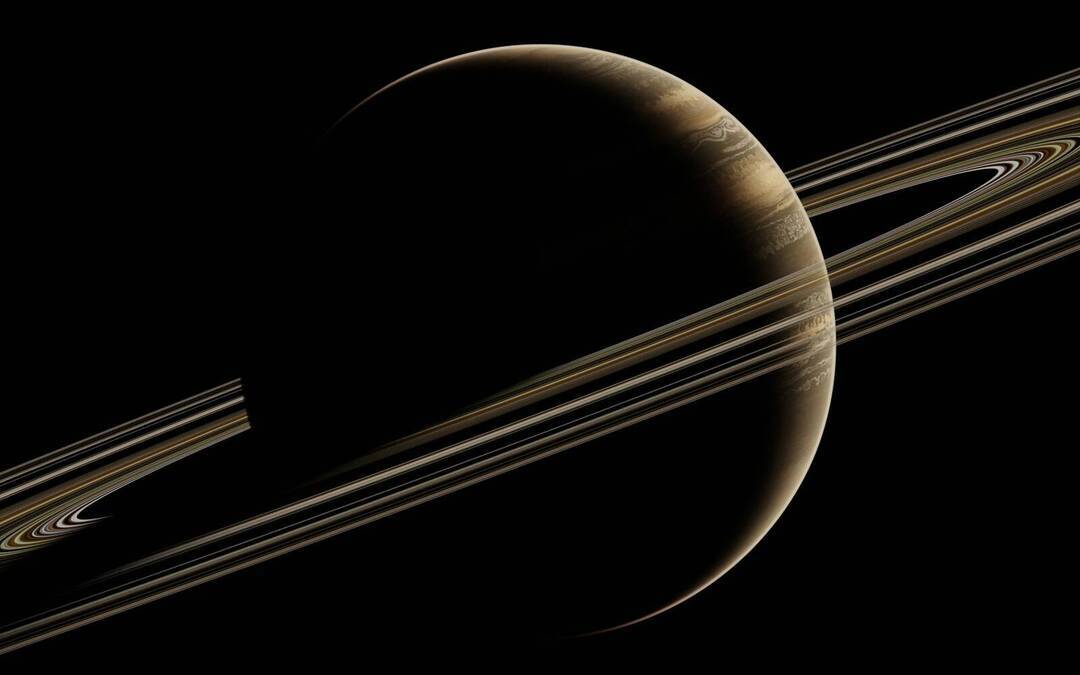
Astronomers have discovered new moons orbiting Jupiter and Saturn, raising their totals to 101 and 285, respectively. The discovery is part of the growing list of natural satellites in the solar system, which now has a total of 442 moons. The additions include four new moons of Jupiter and 11 of Saturn, formally reported by the Minor Planet Center.

Brain's protective barrier stays leaky for yrs after playing contact sports: Study
A study published in Science Translational Medicine found that the blood-brain barrier, the brain's protective shield, can remain damaged and leaky decades after athletes retire from contact sports. This persistent leakiness may trigger a long-lasting immune response linked to cognitive decline, it added. Notably, the blood-brain barrier is a dense layer of cells lining the brain's blood vessels.
Wine drinkers may live longer than beer and spirit drinkers, study finds
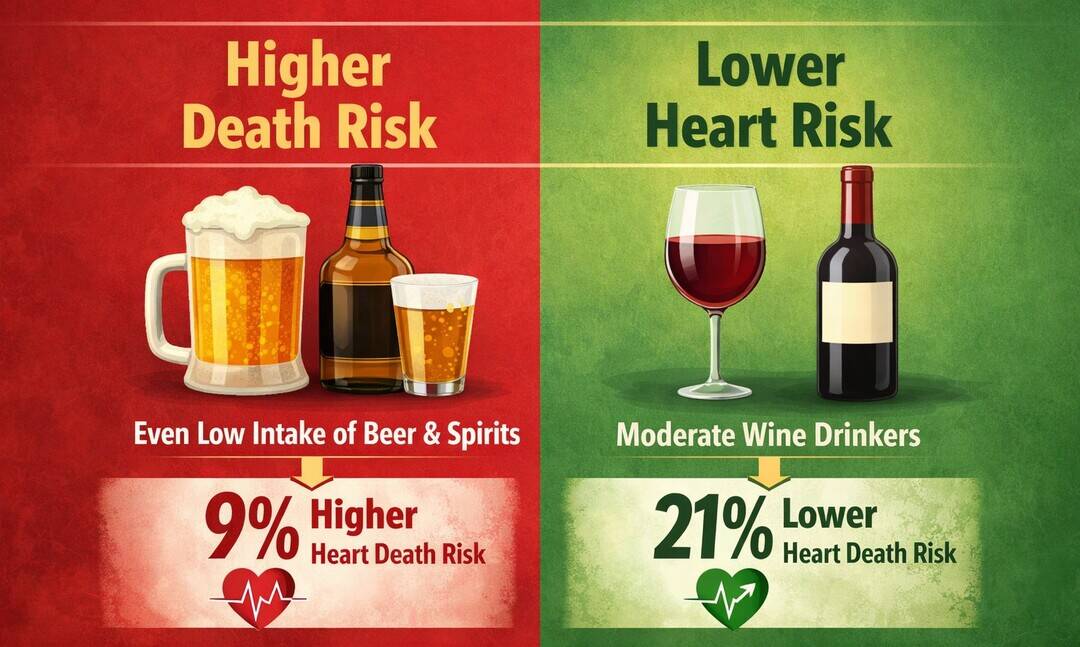
A study found that beer, cider, and spirits raise early death risk, but moderate wine intake is linked to lower risk. Researchers at China's Central South University found moderate wine drinkers had 21% lower heart-related death risk than non-drinkers or occasional drinkers. In contrast, even low intake of beer, cider or spirits was linked to 9% higher cardiovascular death risk.

Most jokes attempted by scientists fall flat: Study
Data collected from 531 individual talks across 14 conferences found that most jokes by scientists fall flat. Of the 870 unique jokes attempted, 9% elicited whole-room laughter, while the majority fell flat or landed mildly, drawing mostly quiet chuckles (67%), the data showed. Roughly 40% of the talks monitored were humourless, eliminating the risk of failed jokes, it added.

Rivers & tides keep 80% of microfibers from reaching oceans: Study
A study in Journal of Geophysical Research revealed 80% of microfibres fail to reach the oceans because of rivers and tides. Microfibres, invisible to the naked eye, are released from clothes and can cause environmental damage. The scientists found that polyester microfibers accumulate close to their sources, while the rest either settle in sediments or wash up along the coastline.
Scientists discover new species of crocodile that ran like a dog
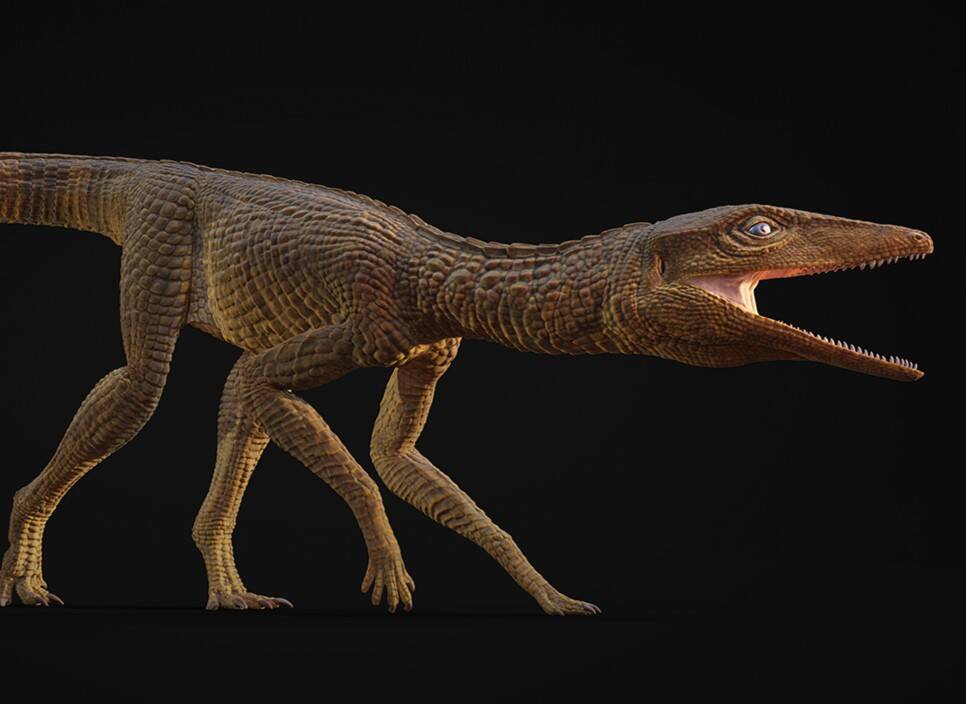
Scientists have discovered a new species of crocodile from the Triassic period, about 215 million years ago. The crocodile is believed to have been a fast-moving, land-dwelling predator resembling a 'reptilian greyhound'. Named Galahadosuchus jonesi, this animal lived entirely on land and had a body built for speed with long, slender legs and a lightweight frame, researchers found.

In a first, astronomers find a brown dwarf pair transferring mass
Astronomers for the first time found a binary pair of brown dwarfs transferring mass between themselves. "When one star's gravity is overcome by the other's, matter starts flowing from the less dense star to the denser star," a scientist said. The pair will either eventually merge or will continue to become more massive and eventually ignite fusion, they added.

Study reveals how Americans decide who counts as person of colour
A UC Berkeley Political Science study has revealed how Americans decide who counts as a 'person of colour', finding they overwhelmingly rely on parental racial background. Skin tone and how someone identified themselves mattered, but played a smaller role, it said. Individuals with Asian parents were the least likely to be categorised as people of colour, the study added.

Cannabis isn't very effective against anxiety, depression: Study
A major paper published in The Lancet reported that medicinal cannabis does not effectively treat mental conditions like anxiety, depression, or post-traumatic stress disorder (PTSD). Scientists warned that it could, on the other hand, make mental health worse, raising addiction and hampering proven treatment. Limited benefits for insomnia and autism were found, but strong evidence was lacking.